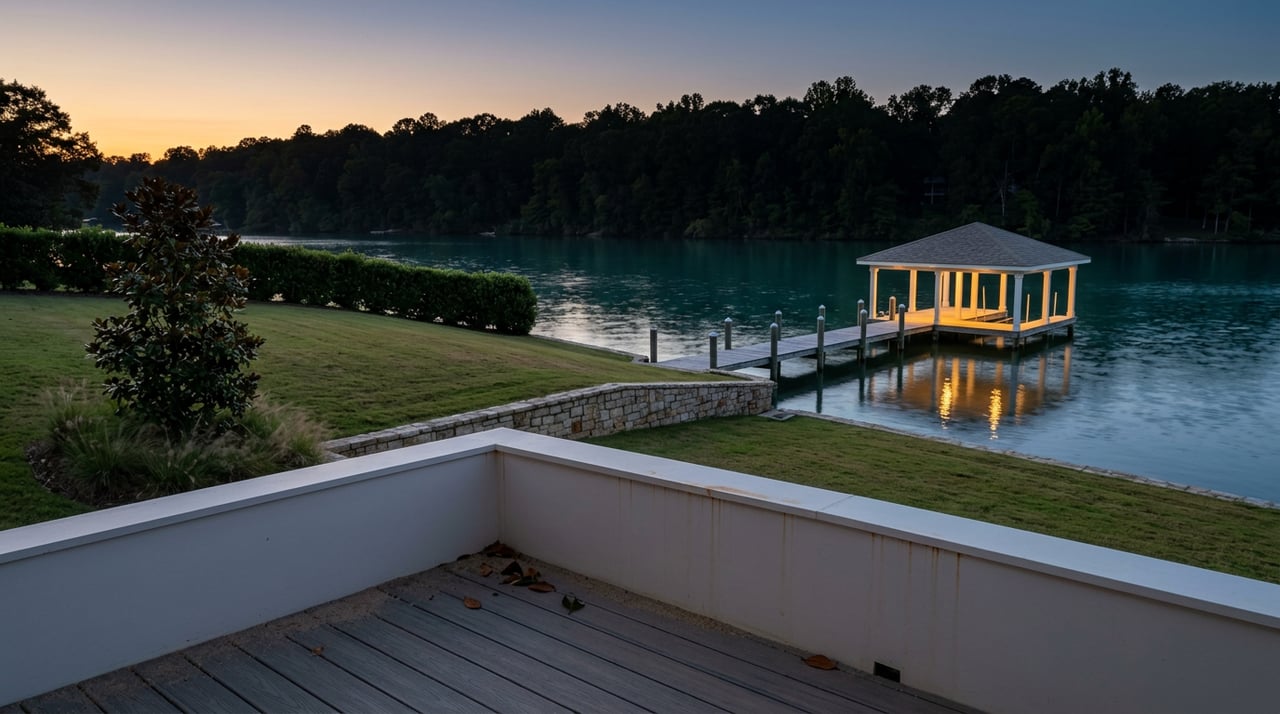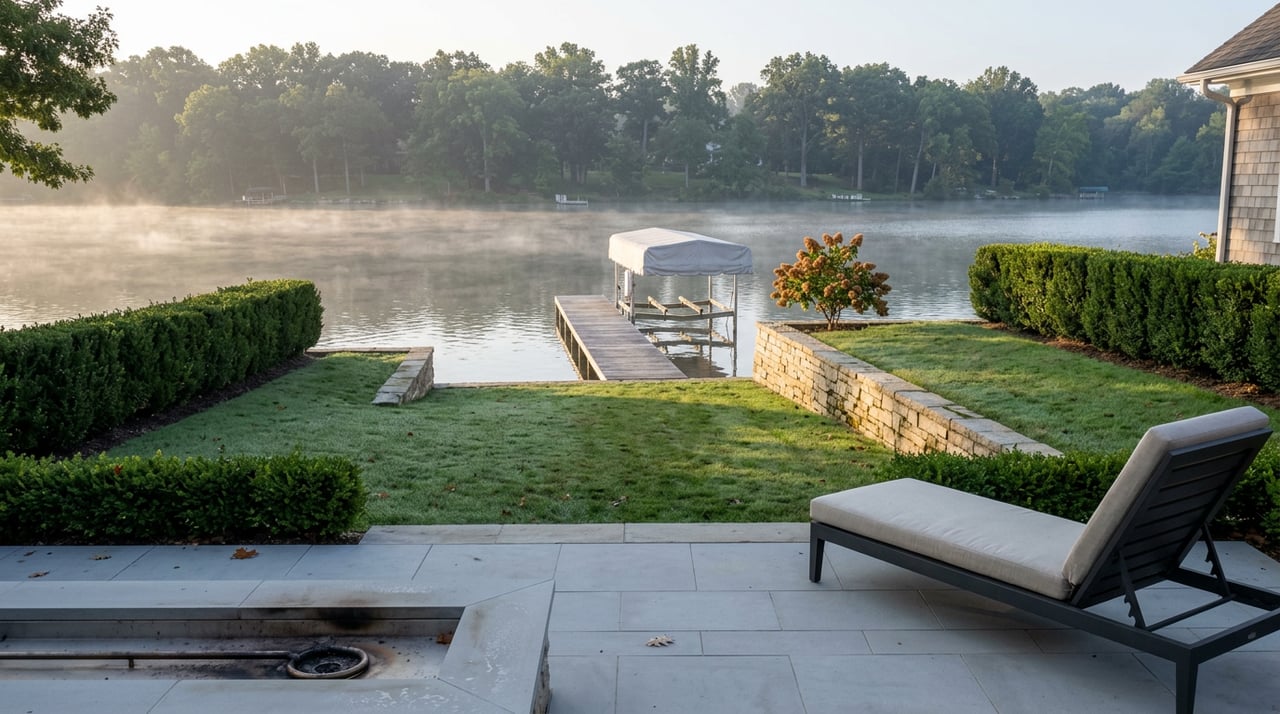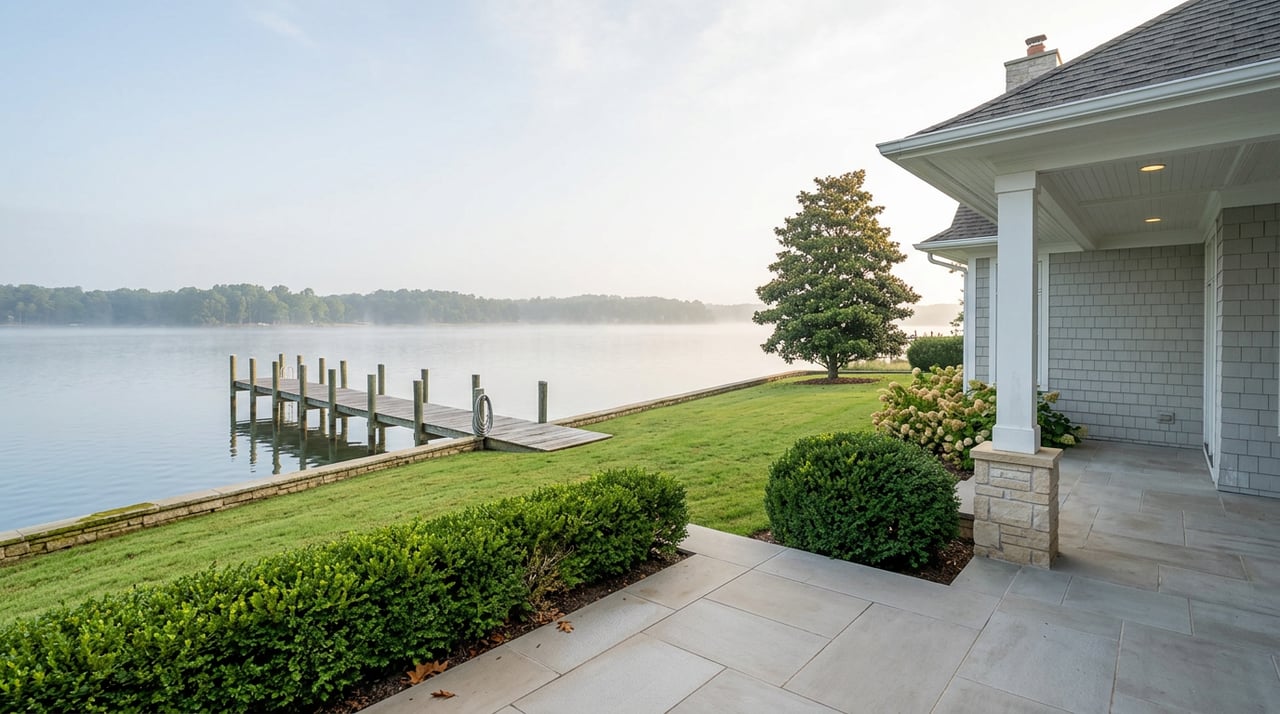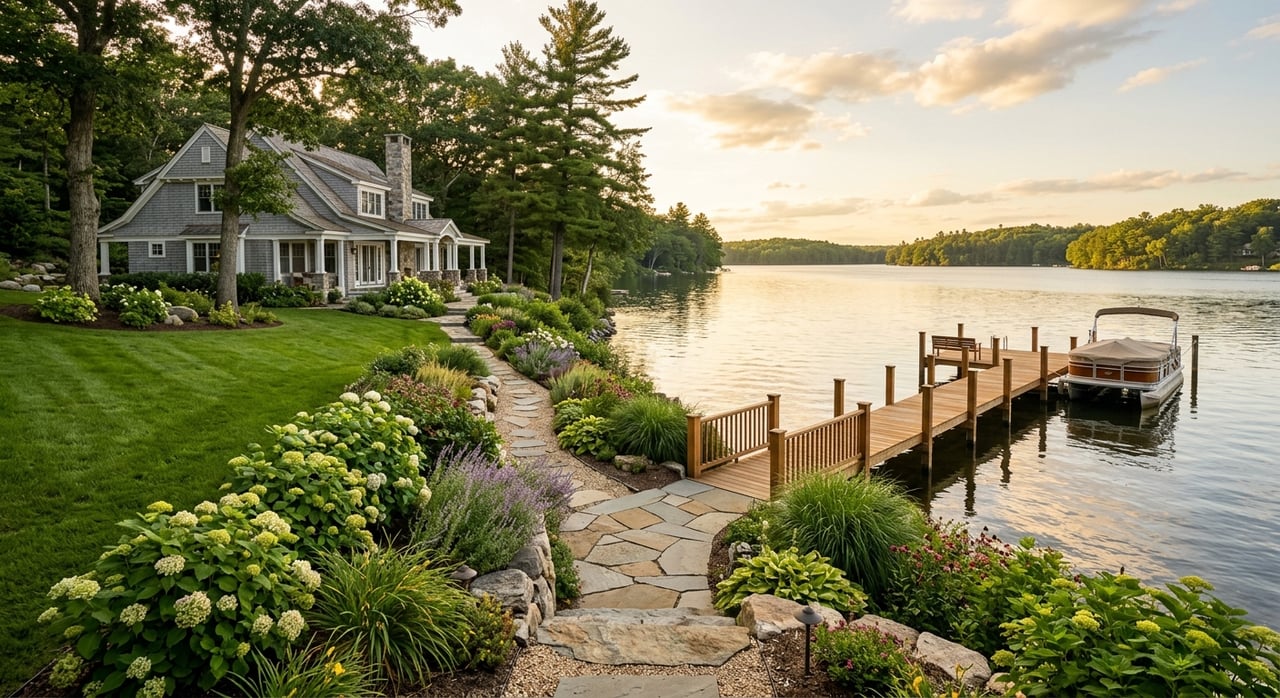
Buying on Smith Lake can feel exciting right up until you realize that a beautiful showing does not always tell the full story. A dock, a shoreline, or even the water level you see that day may look different in another season, and small details can affect how you use the property after closing. If you are getting ready to make an offer, asking the right questions now can help you avoid costly surprises later. Let’s dive in.
Why pre-offer questions matter
Smith Lake, officially Lewis Smith Lake, is a storage reservoir managed by Alabama Power. According to the official Smith Lake information page, it spans 21,200 acres with 713 miles of shoreline across Cullman, Walker, and Winston counties.
That storage-lake status matters more than many buyers expect. Alabama Power notes that lake levels begin lowering on July 1 and continue through November 30, and elevations can also change with weather and operating conditions. In plain terms, the shoreline, water depth, and dock access you see during a showing may not match what you experience later.
Ask about water levels first
Before you make an offer, ask how the property performs when the lake is lower. This is one of the most practical questions you can ask on Smith Lake because lake access is often a big part of why you are buying.
You will want to know whether the dock stays usable, how much water remains at the slip, and whether the shoreline becomes steep, muddy, or hard to access. Alabama Power also notes on its Smith Lake page that levels are always subject to change and that floods can raise levels quickly, so it is smart not to assume one showing gives you the full picture.
Confirm every shoreline structure is permitted
A dock is not just a nice feature. On Smith Lake, it is also a structure that may involve permits, drawings, and shoreline rules.
Ask whether every dock, boathouse, walkway, seawall, or other shoreline improvement is covered by a current Alabama Power permit. Request the permit number, approved drawings, and any amendments so you can verify what was actually approved.
According to the Smith Lake Guidelines, written approval is required before work on Alabama Power fee-owned or flood-easement lands. Verbal approval is not enough, which makes paperwork especially important during due diligence.
Questions to ask about permits
- Is there a current Alabama Power permit for each shoreline structure?
- What is the permit number?
- Can the seller provide approved drawings and later amendments?
- Has anyone relied only on verbal approval?
- Has the seller or owner recently spoken with the Smith Lake Shorelines office?
If anything feels unclear, Alabama Power lists the Smith Lake Office contact information so buyers can confirm shoreline-specific questions directly.
Verify actual shoreline footage
Not every waterfront lot has the same dock potential. One key question is how much actual shoreline the lot has, because that can affect what is allowed now and in the future.
The Smith Lake Guidelines state that lots with less than 100 linear feet may be restricted or even ineligible for structures. The same guidelines also make clear that owners do not have an automatic right to place a structure on Alabama Power fee-owned property.
This matters if you are buying a vacant lot, planning to replace a dock, or hoping to improve an existing shoreline setup. A property that looks workable at first glance may have tighter limitations than you expect.
Check setbacks, size limits, and boundaries
You should also ask where the property line meets the water and whether the current dock or structure meets today’s rules. That question helps you understand whether you are inheriting a compliant setup or a problem to solve later.
Alabama Power’s guidelines say lakefront construction should generally be set at least 15 feet from the extension of the property line into the lake. They also state that current totals for shoreline structures are capped at 1,444 square feet and 92 feet in length.
A current survey can be especially useful here. The guidelines note that Alabama Power may require a survey showing the structure in relation to adjoining property lines and the full-pool elevation, and permits may even be recorded in the local probate court.
Ask about erosion and shoreline condition
A pretty view can hide a shoreline issue. Before making an offer, ask whether the bank has a history of erosion, seawall failure, or riprap repairs.
This is not just a maintenance question. Alabama Power explains in its article about shoreline management and the flattened musk turtle that proper shoreline management helps reduce erosion and sedimentation, and Smith Lake is also an important drinking water source.
Some shoreline work may face additional design or timing requirements. Alabama Power says more than 260 miles of Smith Lake shoreline are considered suitable habitat for the flattened musk turtle, and in certain habitat areas, seawall reconstruction or erosion stabilization may need enhanced natural stabilization instead of a hard seawall.
Questions to ask about shoreline condition
- Has the shoreline had erosion problems?
- Has a seawall ever failed or required repair?
- Is there existing riprap or another stabilization method?
- Are there any enhanced natural stabilization requirements?
- Would future shoreline work likely be simple maintenance or a regulated project?
If the property may need shoreline work soon, ask whether the current condition is already compliant and whether the seller has any permits or approvals in hand.
Understand septic and utility setup
Utilities can be easy to overlook when you are focused on the water, but they are a major part of evaluating a lake property. Ask whether the home uses public water or a private well, and whether wastewater goes to sewer or an onsite septic system.
This is especially important on Smith Lake because wastewater and runoff directly affect property condition and lake health. Alabama Power notes that poorly operating septic systems can affect water quality, and the Alabama onsite sewage rules govern septic systems statewide.
Ask for the most recent septic inspection, pump-out history, and any variances or approvals. If a property has an older onsite system, this step can help you understand whether you are buying peace of mind or inheriting a future expense.
Pin down county, subdivision, and HOA rules
Smith Lake crosses multiple counties, so one of the simplest and most important questions is this: Which county is the property in? Rules and processes can vary depending on where the parcel sits.
You should also ask whether the property is inside a subdivision or HOA. Alabama Power’s guidelines state that shoreline permit holders are still responsible for subdivision covenants, ordinances, health and sanitation regulations, and building codes.
That means HOA restrictions, rental rules, boat-trailer parking rules, and county-level permitting can all affect how you use the property. The state hazard mitigation document also confirms that Smith Lake spans Cullman, Walker, and Winston counties, which is one reason local rules deserve close attention.
Review access and easements carefully
Not all water access works the way buyers assume. Before you make an offer, ask whether there are any recorded easements or access agreements that affect getting to the water, maintaining a dock, or using a shared shoreline feature.
This is especially important for properties with private roads, shared driveways, or shoreline improvements near neighboring lots. Alabama Power’s permit framework makes clear in the Smith Lake Guidelines that shoreline permissions do not create broad property rights in the lake itself.
In other words, do not assume that because a structure exists, the rights tied to it are simple or unlimited. Get clarity before your offer, not after closing.
Use this simple pre-offer checklist
If you want a practical way to stay organized, focus on five items before you make an offer. These are the issues most likely to create surprises later if they are skipped early.
- Shoreline permits
- Surveyed boundaries
- Water-level exposure
- Septic approval and records
- County and HOA rules
That short list is consistent with the practical due-diligence priorities outlined in the Smith Lake Guidelines. It is not about making the process harder. It is about helping you buy with more confidence.
Why local guidance helps on Smith Lake
Lake property has a different rhythm than a typical home purchase. Water levels, dock rules, shoreline permits, septic systems, and county-specific details can all shape whether a property truly fits your goals.
That is why it helps to work with people who live here and understand how these details play out in real life. At iHeart Smith Lake, Joey and Anna Sahagun help buyers navigate the practical side of waterfront and near-water property so you can move forward with clarity and confidence.
FAQs
What questions should you ask before making an offer on Smith Lake?
- Ask about shoreline permits, dock compliance, water levels, surveyed boundaries, septic records, county rules, HOA restrictions, and any easements affecting water access.
Why do Smith Lake water levels matter when buying a home?
- Smith Lake is a storage reservoir, and Alabama Power says lake levels change seasonally and with weather and operating conditions, which can affect dock usability, water depth, and shoreline access.
Do docks on Smith Lake need permits?
- Yes. Alabama Power states that written approval is required for work on its fee-owned or flood-easement lands, and buyers should ask for permit numbers, drawings, and amendments.
How can shoreline footage affect a Smith Lake property?
- Alabama Power says lots with less than 100 linear feet of shoreline may be restricted or ineligible for structures, so shoreline footage can affect dock options and future improvements.
What should you ask about septic on a Smith Lake property?
- Ask whether the property uses sewer or an onsite septic system, then request the latest septic inspection, pump-out history, and any approvals or variances.
Why should you check county and HOA rules for Smith Lake homes?
- Smith Lake spans multiple counties, and subdivision covenants, ordinances, health regulations, building codes, rental rules, and parking restrictions can all affect ownership and use.