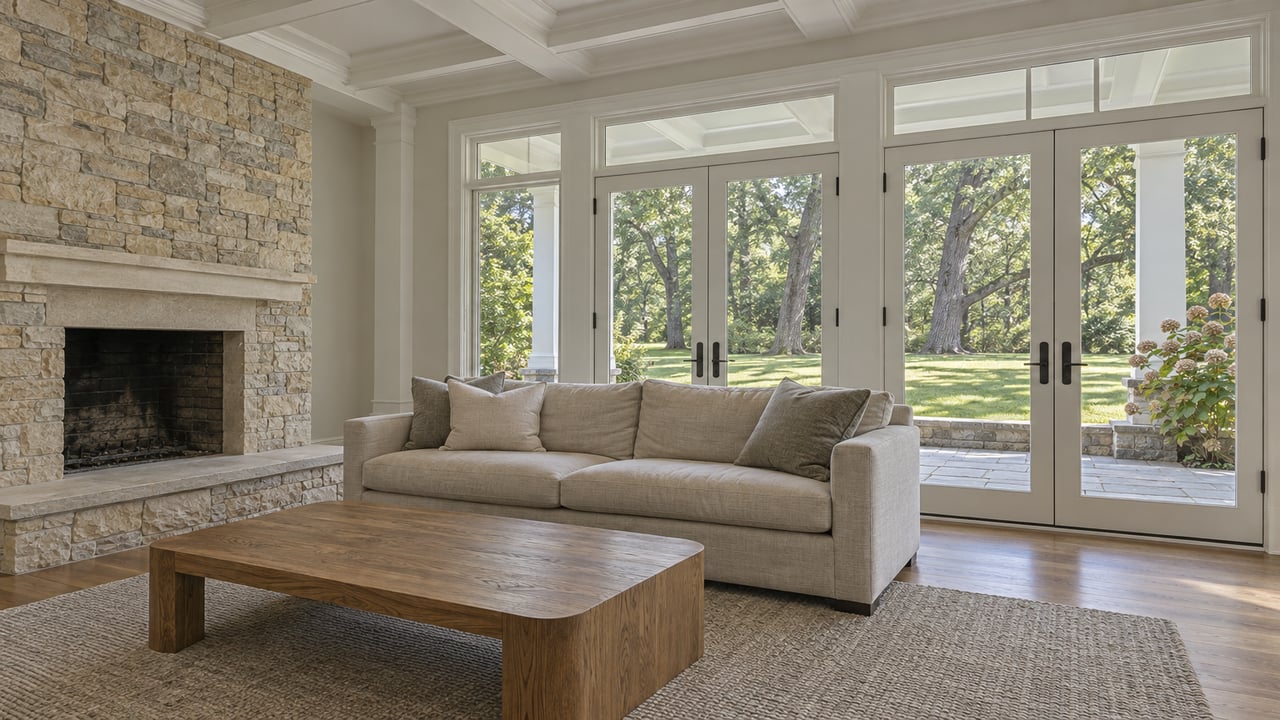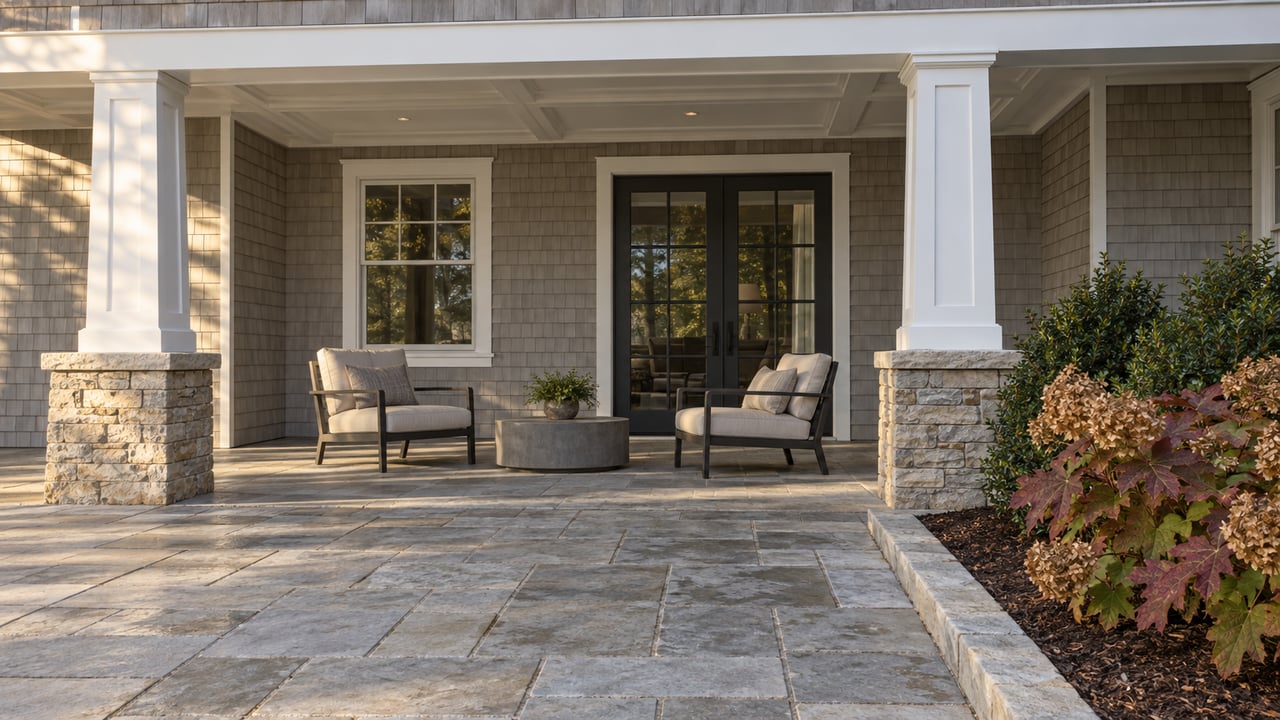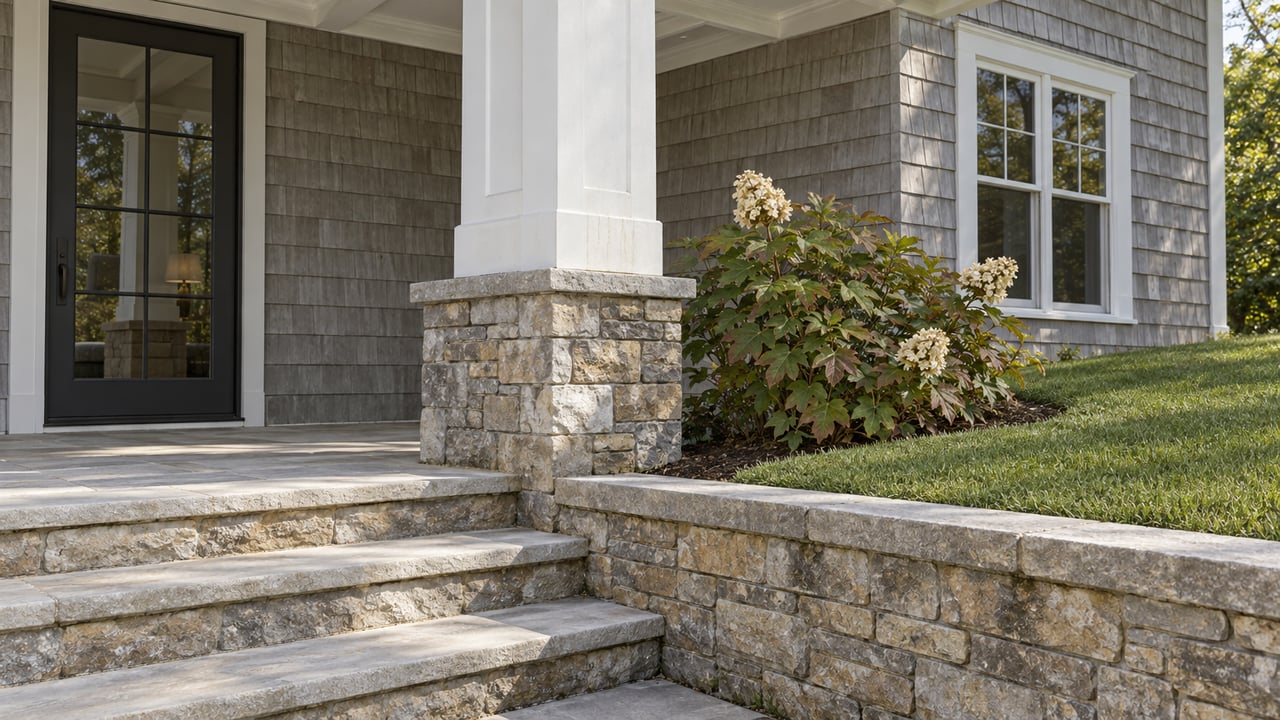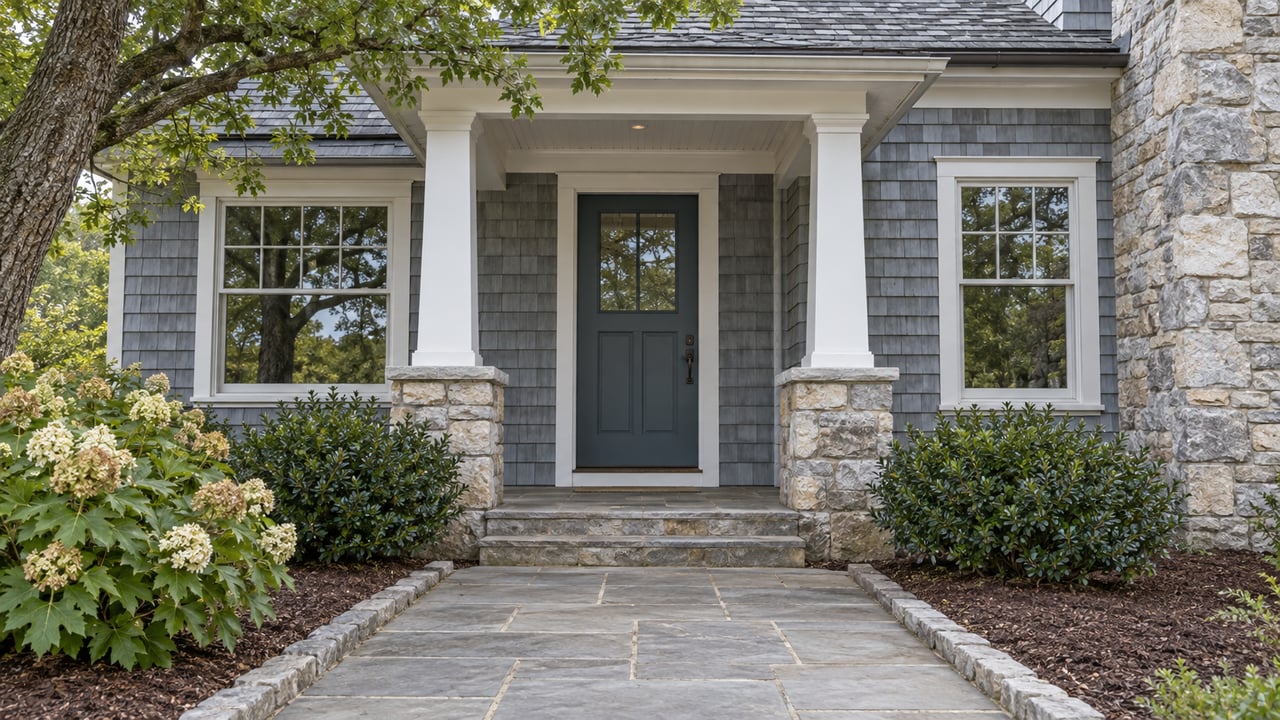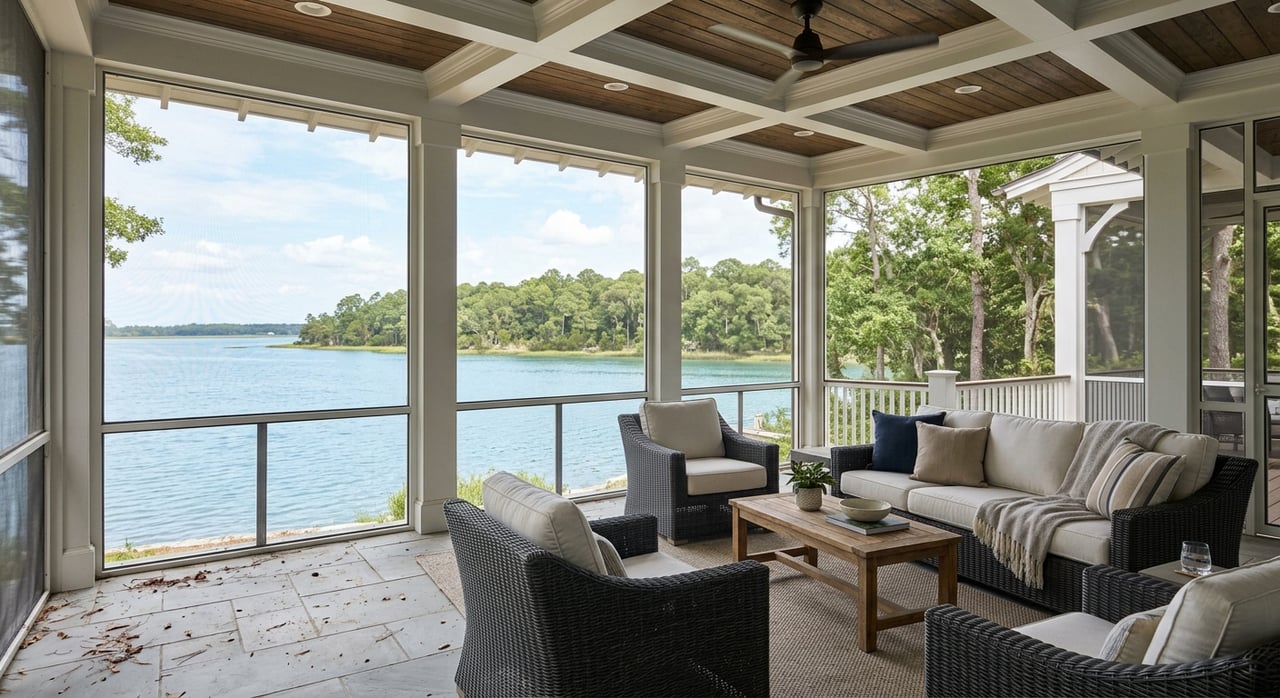
Dreaming about a porch, deck, or patio that makes the most of your Smith Lake view? It sounds simple until you factor in sun, wind, water levels, privacy, and maintenance. If you want an outdoor space that feels as good as it looks, smart planning matters from the start. Here’s how to design an outdoor living space that fits the way Smith Lake really lives.
Start With the Site, Not the Furniture
Smith Lake is not a one-size-fits-all shoreline. According to ADEM, Lewis Smith Lake spans about 21,200 acres with roughly 500 miles of shoreline and three main forks: Sipsey, Rock Creek, and Ryan Creek. That means one lot may have wide open sunset views, while another has a more protected cove, different wind exposure, or a steeper bank.
Before you think about furniture layouts or décor, look at how your property actually sits on the water. Pay attention to the direction of the main view, where you get morning or afternoon sun, how much privacy you already have, and how people move from the house to the shoreline. A great outdoor space works with those conditions instead of fighting them.
Plan for Seasonal Water Changes
One of the biggest design mistakes on lake property is treating the shoreline like it stays the same year-round. Alabama Power says Smith Lake begins lowering on July 1 and ends lowering on November 30, with a summer full-pool level of 510 feet MSL. That seasonal change affects how stairs, landings, seating edges, and shoreline plantings feel and function over time.
If you are planning features close to the water, leave room for those seasonal shifts. A design that looks perfect at summer pool may feel very different later in the year. This is especially important if you are considering terraced seating, shoreline steps, or landscaped edges near the bank.
Keep the View Open
The best outdoor living spaces on Smith Lake do one thing really well: they protect the view. That usually means your main deck, porch, or patio should be arranged around the strongest water view first. Once that sightline is clear, you can build comfort and function around it.
Try to avoid bulky elements placed directly in the center of the view. Instead, think about framing the lake with side plantings, low-profile railings, or furniture groupings that keep your eye moving outward. The goal is to make the water the focal point from the house and from the outdoor room itself.
Match Shade to Sun Exposure
Sun exposure can make or break comfort on a deck or porch. DOE guidance notes that south-facing openings get useful winter sun, while east- and west-facing exposures bring morning and evening light but can also create more glare and unwanted summer heat. It also states that exterior shading is more effective than interior shading for reducing summer heat gain.
For Smith Lake homes, that means west-facing outdoor spaces often need extra attention. If your main view faces the afternoon sun, deeper overhangs, pergolas, awnings, or other exterior shade features can help make the space more usable in hot weather. You do not have to block the view to make it more comfortable.
Create Outdoor Zones
A single large deck is not always the best answer. In many cases, it helps to divide the space into a few practical zones that support different times of day and different ways of using the lake house. This can make even a modest outdoor area feel more functional.
A simple zoning plan might include:
- A primary view area for dining and lounging
- A more protected conversation corner
- A secondary seating spot for morning coffee or partial shade
- A transition space between the house and the main outdoor area
This kind of layout gives you options as sun, wind, and activity levels change. It also helps larger gatherings feel more relaxed instead of forcing every use into one open platform.
Use Breezes Carefully
Breezes are one of the best parts of lake living, but they should not be your only cooling strategy. DOE guidance on natural ventilation notes that wind-driven ventilation depends on how openings are oriented, and humid climates can create mold and mildew concerns if natural ventilation is used as the primary cooling method.
That is why screened porches and covered transition spaces make so much sense on Smith Lake. They can help you enjoy airflow while giving you more protection from moisture and insects. Ceiling fans can also extend the comfort of a covered outdoor room without making the space feel closed off.
Design for Mosquito Comfort
At a reservoir setting like Smith Lake, bug control is part of the design conversation. Alabama Power’s mosquito coverage around its lakes supports the idea that screened or partly enclosed outdoor rooms are not just a style preference. They are often a practical comfort feature.
If you know your household likes to be outside at dusk, a screened porch, covered lounge space, or partly sheltered dining area may be more valuable than a fully exposed deck. You can still keep open-air areas for sun and views, but adding at least one protected zone can make the property more usable through more of the year.
Choose Lower-Maintenance Materials
Lakefront materials need to handle heat, humidity, and regular exposure better than standard backyard finishes. University of Tennessee Extension identifies preservative-treated wood, naturally durable wood, and wood-plastic composite as the main decking categories. It also says untreated non-durable wood such as pine is not recommended in a warm, humid climate.
For many Smith Lake properties, composite or properly treated lumber is a practical starting point for decks, stairs, and railings. Research cited from Oklahoma State Extension also notes that wood-plastic composite decking generally has lower maintenance costs than solid wood and decays more slowly. If you want to spend more time enjoying the lake and less time maintaining surfaces, those materials deserve a close look.
Use Planting to Frame, Not Block
Landscaping around the lake should support the view, privacy, and long-term upkeep of the property. Alabama Extension recommends starting with a plan, choosing the right plants, and limiting turf because turf generally requires more maintenance than mixed plantings. It also notes that many native plants need little supplemental water, fertilizer, or pesticides once established.
That is a strong argument for layered, native or adapted planting instead of trying to carry a wide lawn all the way to the shoreline. Side-yard buffers, small groupings of shrubs, and view-framing plant layers can add privacy without creating a wall between you and the water.
Plant for Shade, Wind, and Erosion
Smart planting does more than improve appearance. Alabama Extension recommends hydrozoning by shade, evaporation, and exposure, and it suggests placing large canopy trees strategically to cool the landscape and reduce water loss. It also points to windbreaks such as trees, informal hedges, shrubs, or tall grasses.
On a Smith Lake property, that approach can help you solve several problems at once. You can soften wind, create privacy at the sides of a lot, and reduce maintenance in exposed areas. Extension guidance also says a 3-to-5-inch layer of organic mulch can reduce water loss from bare soil by up to 70 percent, as long as mulch is kept away from tree trunks.
Know the Shoreline Rules Before You Build
This is the part many buyers and owners do not realize until they are already sketching ideas. Alabama Power’s 2025 Smith Lake shoreline guidelines say property owners should contact the Shoreline Management Office before any construction or repair on project lands or waters, and a written permit is required before work begins.
The guidelines state that residential shoreline construction includes decks, walkways, boathouses, docks, staircases, gazebos, seawalls, rip rap, and grading. They also note that lots with less than 100 linear feet of shoreline may be restricted or ineligible for structures, and lakefront construction should generally be set at least 15 feet from the extended property line into the lake or at a distance Alabama Power considers reasonable.
Protect the Bank the Right Way
If your design vision includes a terraced shoreline, lower seating area, or bank improvements, erosion control needs to be part of the plan. Alabama Power’s shoreline guidelines say rip-rap and natural bank stabilization are the preferred erosion-control methods, while seawalls are reviewed case by case.
That matters because a beautiful lakeside setup is only successful if it holds up over time and fits shoreline requirements. Early planning can help you avoid designs that look appealing on paper but are difficult to approve or maintain in practice.
Think Like a Future Buyer Too
Even if you are designing the space for your own enjoyment, it helps to think about long-term appeal. Buyers on Smith Lake often care about practical outdoor features just as much as square footage inside the home. Comfortable shade, easier maintenance, smart shoreline access, and a layout that highlights the view can all make a property feel more complete.
That does not mean every outdoor space needs to be large or elaborate. It means the design should feel intentional. A well-planned covered porch, a durable deck, and simple view-friendly landscaping can often deliver more value than a bigger space that is too exposed or too hard to maintain.
If you are buying, selling, or planning improvements on Smith Lake, local guidance can make a big difference. For insight shaped by full-time lake living and real-world waterfront experience, connect with iHeart Smith Lake.
FAQs
What direction is best for a Smith Lake outdoor living space?
- The best direction depends on your lot, but keeping the main lake view open is usually the priority. East- and west-facing exposures often need more shade control because they can bring more glare and summer heat.
What decking material is best for Smith Lake homes?
- Composite or properly treated lumber is often a practical choice for Smith Lake because humid conditions can be tough on exterior materials. Untreated non-durable wood such as pine is generally not recommended in warm, humid climates.
How can you add privacy without blocking a lake view?
- Layered native or adapted plantings, side-yard buffers, canopy trees, and shrubs can help create privacy while keeping the main water view open. This approach is usually more flexible than creating a solid visual barrier.
Do shoreline projects on Smith Lake need approval?
- Yes. Alabama Power’s shoreline guidelines say a written permit is required before construction or repair begins on project lands or waters, including work such as decks, stairs, docks, grading, and bank stabilization.
Why are screened porches popular on Smith Lake?
- Screened porches can help you enjoy breezes while reducing exposure to insects and managing comfort in a humid lake environment. They also create a more usable transition space during warm-weather months.