Buying on Smith Lake should feel exciting, not confusing. If you are comparing neighborhoods, HOA or POA rules, and dock permits, it can be hard to know who sets what. You want simple, clear guidance so you can protect your plans and your budget. In this guide, you will learn who controls the shoreline, how HOA and POA rules work, the common covenants you will see, and the paperwork to confirm before you close. Let’s dive in.
Who sets shoreline rules
Smith Lake spans parts of Cullman, Walker, and Winston counties with roughly 21,200 acres and 500 to 700 miles of shoreline. Alabama Power owns and operates the dam and manages much of the shoreline under a federal license. Its Shoreline Management team publishes lake-specific rules and a permitting process for docks, boathouses, walkways, and other lakeside structures. You can review the Smith Lake program and the full permitting guide in the official Smith Lake Guidelines from Alabama Power.
Two lake elevations matter every season. Full summer pool is 510 feet MSL. A flood-easement contour around 522 feet MSL often figures into permit decisions. These numbers guide how and where structures can sit near the water, especially in narrow sloughs and coves. You will find these standards in the Smith Lake Guidelines from Alabama Power.
Some projects also need federal or state approvals. Work that affects waters, wetlands, dredge or fill, or navigation can trigger U.S. Army Corps of Engineers permits and related state water-quality review. See the Mobile District’s Alabama general permits to understand when these apply.
HOA vs POA basics in Alabama
In practice, HOA and POA rules come from recorded covenants tied to the land. Many buyers use HOA to describe mandatory residential associations and POA for broader property groups. The real difference is what the recorded documents say. Treat both as private rules that bind future owners. For an overview of typical powers and procedures in Alabama, see this summary of Alabama HOA rules and regulations.
Alabama also has a statewide statute that sets baseline standards for many associations formed on or after January 1, 2016. The Alabama Homeowners’ Association Act requires covered HOAs to keep and share key records with members and potential purchasers. Those records include current assessments, budgets, reserves, insurance, covenants, architectural rules, a list of common areas, and pending litigation. You can read the general Act and the specific records and disclosure section to understand your rights during due diligence.
Common rules to expect
Docks and boathouses
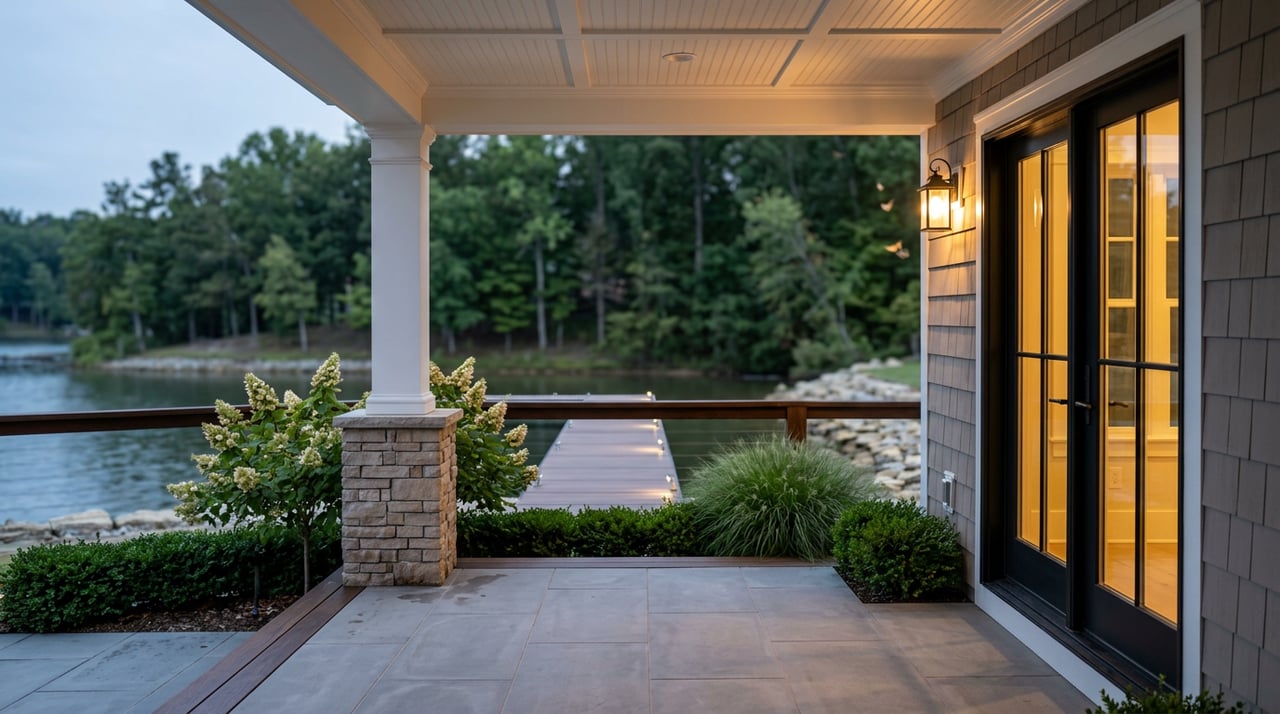
Alabama Power’s Smith Lake Guidelines are the primary authority for docks, boathouses, and most over-water features on company-managed lands and easements. A few practical points you should know:
- Most shoreline structures require a written application and written approval. Verbal OKs are not enough. Review the current Smith Lake Guidelines from Alabama Power for the process and standards.
- Setbacks are common. A frequent planning guide is at least 15 feet from an extension of your side property line into the lake, but Alabama Power decides case by case.
- Size and configuration limits apply. The Guidelines describe footprint and length caps and how to measure them. Covered boathouses must remain open and not be habitable.
- Narrow sloughs have extra limits. Structures in tight channels often cannot extend more than one third of the waterway at full pool.
- Permits often need transfer approval. Many dock licenses are personal to the permit holder. Sellers should provide complete permit files. Buyers should confirm transferability in writing before closing. For local tips on making dock permits a contract contingency, see this dock permits guide for Smith Lake buyers.
If prior work involved dredge or fill, or if you plan modifications, check whether a U.S. Army Corps authorization or state water-quality review applied. The Corps’ Alabama general permits page outlines common pathways and timelines.
Parking, boats, RVs, and commercial vehicles
Most communities regulate visible storage and long-term parking of boats, trailers, RVs, and commercial vehicles. Typical language limits on-site storage, sets time windows for loading and unloading in driveways, and restricts commercial signage. For a sample of how these rules often read in recorded documents, browse this example of subdivision covenant text.
Pets and animals
Covenants usually allow typical household pets while prohibiting livestock, poultry, and commercial kennels. Many communities require leashes or owner control and prompt waste removal. Some set a maximum number of pets or address nuisance behavior. See a sample set of covenants to get a feel for common language.
Architectural review and exterior changes
Most planned neighborhoods use an Architectural Control Committee or similar board to review new homes and exterior changes. Expect to submit plans, materials, and colors for approval. Standards often address setbacks, roof profiles, siding, fencing, and landscaping. Under Alabama law, covered HOAs must provide current architectural rules to potential purchasers on request. Review the records and disclosure section to confirm what you can receive before you buy.
Short-term rentals and leasing
Rules on rentals vary widely. Some associations prohibit short-term rentals, while others require minimum lease terms or owner-occupancy periods. There is no single Smith Lake rule. Your answer lives in the recorded covenants and any updated rules. For an overview of how Alabama communities often structure leasing limits, see this Alabama HOA rules summary.
How HOA rules and Alabama Power interact
Think of it as two layers. Alabama Power manages the shoreline on company lands and within its flood easement, using its Smith Lake Guidelines and permit terms. Your HOA or POA governs your lot and the common areas through recorded covenants and rules. You must satisfy both sets. If a community allows a type of dock but Alabama Power will not permit it at your site, Alabama Power’s decision controls the shoreline. If Alabama Power permits a structure but your HOA prohibits it, the HOA can still enforce its ban on your lot. Always match the dock plan, the HOA rules, and the Alabama Power permit together before you spend a dollar on construction.
Buyer due diligence checklist
Use this list to reduce surprises and protect your timeline.
- Get all governing documents. Ask for the recorded Declaration or CC&Rs, Articles, Bylaws, Rules and Regulations, and current architectural guidelines. Covered HOAs must provide these on request to potential purchasers under the Alabama Homeowners’ Association Act. See the records and disclosure provision.
- Confirm assessments and finances. Request the current budget, recent financial statements, reserve details, the dues schedule, and an estoppel or resale certificate showing outstanding amounts. The Act lists these as records you can review.
- Check litigation and claims. Ask the association for any pending lawsuits, liens, or judgments that involve the HOA or common areas. This should be disclosed under the statute’s records rule.
- Collect dock and shoreline permits. Obtain the complete Alabama Power permit or license for any existing dock or boathouse, plus any recorded license or lease. Ask Alabama Power in writing if the permit is current and transferable. If dredge or fill occurred, request any U.S. Army Corps or state water-quality approvals. Alabama Power’s Smith Lake Guidelines explain transfer and compliance requirements.
- Verify local approvals. Check for county or municipal building and electrical permits for shore-side improvements, floodplain status, and septic or health department records as needed. Alabama Power reminds permittees that state and local approvals are still required in addition to Alabama Power’s authorization.
- Order thorough inspections. Have a qualified inspector and marine contractor review the dock structure, floats, anchoring, and electrical. Confirm water depth and usability for your boat type. For practical contract tips and timelines, review this Smith Lake dock permits guide for buyers.
- Review recent HOA activity. Ask for 6 to 12 months of meeting minutes, contact info for the board or manager, and any recent or pending rule changes or capital projects.
- Add smart contingencies. Consider making your purchase contingent on receiving the full HOA document set and a written estoppel, written confirmation from Alabama Power that a dock permit can be transferred or issued as needed, and a satisfactory dock inspection that verifies any required federal or state approvals.
Timeline and what to expect
Permitting can take weeks to months, depending on scope and season. Alabama Power’s review times vary. Federal or state reviews add time if your project affects the waterway. Build extra time into your inspection and financing periods if your purchase depends on keeping, transferring, or building a dock. The Smith Lake Guidelines outline the application steps and notices you will need.
Two quick scenarios
- You love a home with a large boathouse. The seller says it has always been there. You request the Alabama Power permit package and learn the license was never transferred to the current owner. You add a contingency and work with Alabama Power to confirm transfer to you can occur. If not, you renegotiate or move on.
- Your short-term rental plan is central to your numbers. Before you offer, you read the recorded CC&Rs and updated Rules and find a one-year minimum lease term. You adjust your search to communities that allow shorter stays and avoid a costly mismatch.
Ready to compare communities and rules
You do not have to figure this out alone. With clear records, a written dock permit plan, and smart contingencies, you can buy with confidence and enjoy the lake sooner. If you want help matching neighborhoods, shoreline conditions, and HOA rules to your goals, reach out to the local team that lives this every day at iHeart Smith Lake.
FAQs
Who controls dock permits on Smith Lake?
- Alabama Power manages shoreline permits and sets the Smith Lake Guidelines for docks, boathouses, and walkways on its lands and easements. Some projects may also need U.S. Army Corps authorizations.
Do I automatically get docking rights if a listing shows a dock?
- No. The physical dock may convey, but Alabama Power often must approve a written permit transfer. Always get the permit records and written confirmation from Alabama Power before closing.
Can an HOA limit my boat, dock, or mooring plans?
- Yes, if the recorded covenants or rules restrict docks, slips, or mooring. Alabama Power rules also apply on the shoreline, so you must satisfy both.
Are short-term rentals allowed around Smith Lake?
- It depends on the specific community. Some HOAs prohibit short-term rentals or require minimum lease terms. Confirm the recorded CC&Rs and current rules before you buy.
What happens if a dock is unpermitted?
- You may need to apply for permits, modify the structure, or remove it. Alabama Power’s Guidelines and U.S. Army Corps policies describe enforcement, timelines, and penalties. Always verify permit history during inspections.