Is the lake lower than you expected this winter, or higher than you remember in summer? If you are buying or selling on Smith Lake, seasonal water shifts can shape everything from dock access to the best time to list. You want a smooth plan that fits the lake’s rhythm, not a surprise when your lift sits dry in January. In this guide, you will learn what drives seasonal water levels on Smith Lake, how those changes affect daily use, and practical timelines for buyers and sellers. Let’s dive in.
How Smith Lake levels are managed
Smith Lake, also known as Lewis Smith Lake, is a hydroelectric reservoir created by Lewis Smith Dam. The lake’s levels respond to operational decisions by the dam’s owner and operator, seasonal rainfall, and regional water management needs. That mix can include power generation, flood control, drought response, and scheduled maintenance. Local marinas, lake associations, and county officials are helpful for day‑to‑day access questions, while the reservoir operator is the authority for official notices and planned drawdowns.
The seasonal pattern at a glance
The overall pattern is predictable in direction. Levels are generally higher in late spring and summer, and lower during fall and winter. The magnitude and exact timing vary by year based on rainfall and operational priorities. Always check current conditions before you plan dock work, boat launches, or listing photography.
Late spring and summer
This is the high recreational period for most lake users. After spring rains and the end of winter drawdown, levels are typically at or near recreational pool. Docks, lifts, and boat ramps usually function most reliably during this window. Showings also feel more “true to summer” with greener shorelines and easy water access.
Fall and winter drawdown
Many hydro lakes lower the target pool in late fall and keep it lower through winter. Smith Lake commonly follows this approach to allow shoreline work and to create storage for seasonal rains. During drawdown, docks may sit at steeper angles, some lifts may not reach the water, and certain ramps can be limited. If you plan to use your boat in winter, confirm ramp and water depth in advance with a local marina.
Spring ramp‑up
As rainfall increases and operational limits ease, the lake refills in spring. The speed of the refill depends on precipitation and broader regional needs. You may see a steady rise, or a stop‑and‑start pattern if heavy rains alternate with dry spells. Plan flexible timelines for dock projects during this period.
Short‑term swings you may notice
Outside the seasonal trend, short bursts of rain can raise levels quickly. Drought can prolong low levels into late spring. Operational changes for power generation can also create smaller, short‑term fluctuations. Build a little buffer into your plans for inspections, showings, and boat deliveries.
What seasonal shifts mean for you
Dock usability
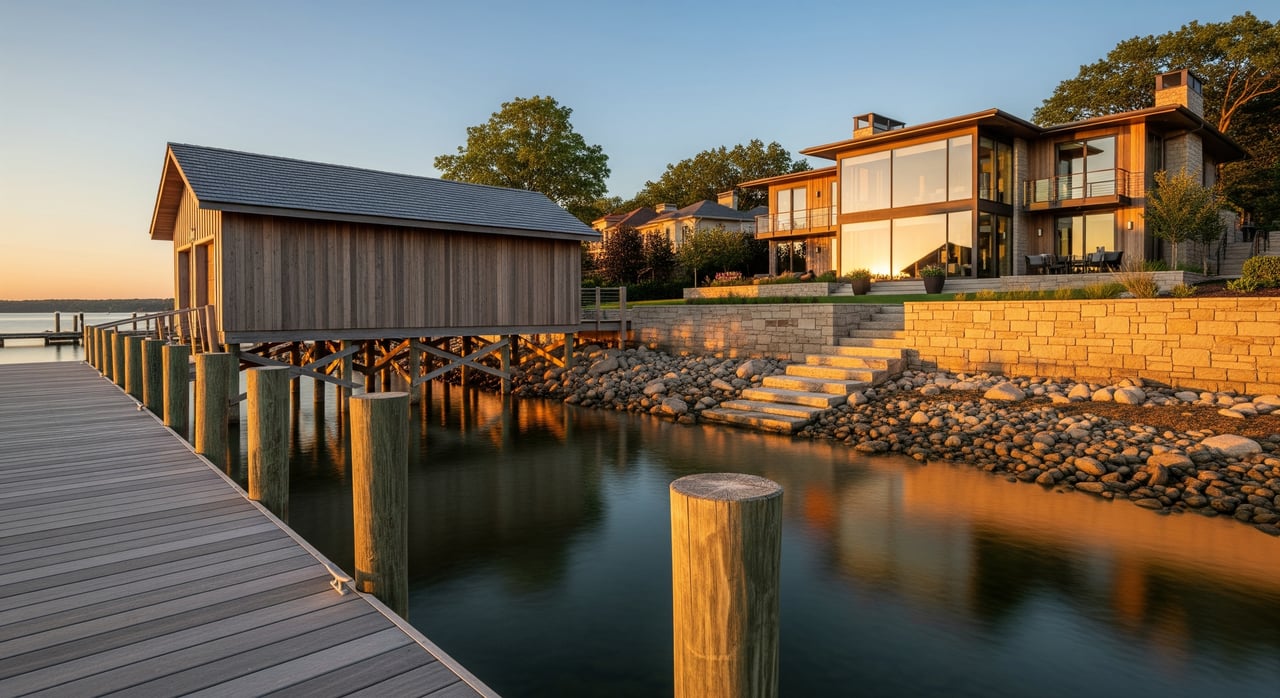
Winter drawdown can make floating docks uneven or temporarily unusable on steeper shorelines. Fixed lifts may sit above the waterline if placed shallow and the lake drops. Summer conditions usually bring normal function for docks and lifts. Ask for recent photos of the dock at both high water and low water, and confirm dock type, lift placement, and service history.
Boat access and ramps
At lower winter levels, certain ramps require longer trailers, different launch techniques, or alternate locations. Marinas often share current conditions and any seasonal hazards, like newly exposed rocks. If boating is central to your purchase, verify ramp depth and your boat’s draft with a marina before you finalize plans. Keep a lookout for shallow areas near shore during drawdown.
Showings and photography
Low‑water months reveal more shoreline and can expose mudlines, which can reduce visual appeal. That does not mean the property is less valuable. It simply shows a different season. If you are selling, pair current photos with clearly labeled images from high‑water months and include a brief note explaining seasonal drawdown. Buyers appreciate the full picture of how the property lives in summer and winter.
Inspections, surveys, and appraisals
Schedule dock and platform inspections when access is safe and levels reflect typical use, which is often late spring through summer. Low water can be useful for spotting issues with piles or supports, while high water can hide some items, so discuss timing with your inspector. Appraisers consider typical recreational access during peak season. Make sure everyone agrees on which season’s conditions are assumed in the valuation.
Planning timelines that work
Sellers: when to prepare and list
- 3 to 6 months before listing: Reach out to a local marina or dock contractor to confirm typical high and low conditions for your cove. Gather recent high‑water photos.
- 2 to 3 months before listing: Schedule minor dock or shoreline tune‑ups and confirm lift service. Coordinate timing with contractor availability.
- At listing: Disclose seasonal drawdown, include labeled photos from both high and low seasons, and provide a contact for marina questions.
Buyers: how to evaluate confidently
- Pre‑offer: Ask for photos of the dock and shoreline during both high and low water. If boat access matters, request a marina contact to verify ramp conditions and expected depth near the dock.
- Inspection period: When possible, plan inspections during non‑drawdown months. If you must inspect in winter, consider a follow‑up visit during higher water before closing or include a contingency about dock access.
- Before closing or move‑in: Coordinate with a marina or service provider about lift operations, routine maintenance, and any seasonal adjustments.
Dock work and permits
Permits may be required for new docks or significant repairs, and county or city rules can differ. Start permit conversations early, several months before you plan work. Many contractors prefer to install during late spring and early summer when conditions are stable. Some shoreline work is done during winter drawdown, but it requires careful coordination and safety planning.
Quick checklist for buyers and sellers
- Confirm the current lake level and any planned drawdown with the reservoir operator and a local marina.
- Request dated photos of the property at both high and low water.
- Ask for the last dock and lift service date and any maintenance records.
- Verify ramp options, depth, and your boat’s draft with a marina.
- If dock work is planned, confirm permit needs and contractor timing.
A simple listing note you can use
Sellers often ask how to explain seasonal changes without overwhelming buyers. Here is a short, clear paragraph you can add to your listing description or property packet:
“Smith Lake experiences a typical seasonal drawdown in fall and winter, with levels rising again in spring and reaching recreational highs in late spring and summer. Dock and lift usability can vary by season. Photos in this listing include both higher and lower water conditions for clarity. Please contact us for current lake status, ramp options, and dock details.”
How we help you plan around the lake
You deserve guidance from someone who lives with the same seasons you are buying into. Our team lives full time on Smith Lake, so we plan showings, photography, inspections, and dock conversations around real‑world conditions. If you are buying, we help you verify access, collect both high and low water visuals, and line up the right inspectors and marina contacts. If you are selling, we time your launch for maximum impact, position your dock and shoreline clearly, and present your home with polished, transparent marketing.
Ready to plan your move with confidence? Connect with the local team that pairs lived‑in lake expertise with modern marketing. Start your search or prep your sale with iHeart Smith Lake.
FAQs
When does winter drawdown happen on Smith Lake?
- It typically begins in late fall and continues through winter, with refill in spring, but exact timing varies each year and should be confirmed with the reservoir operator or a local marina.
Will my dock be usable during winter on Smith Lake?
- Possibly, depending on dock type, lift placement, and shore slope; many docks are less functional during drawdown, so verify specifics and ask for photos from both seasons.
What is the best time to list a Smith Lake home?
- Many sellers aim for late spring through early fall when levels are near recreational highs and the shoreline shows its best, but your timeline should match your goals and current market conditions.
How can I check current Smith Lake water levels?
- Contact the reservoir operator for official notices and call a local marina for on‑the‑ground conditions, ramp status, and any seasonal hazards.
Are boat ramps open during low water on Smith Lake?
- Some are, but usability varies by ramp and lake level; ask a nearby marina about current launch options and any special procedures before you tow.