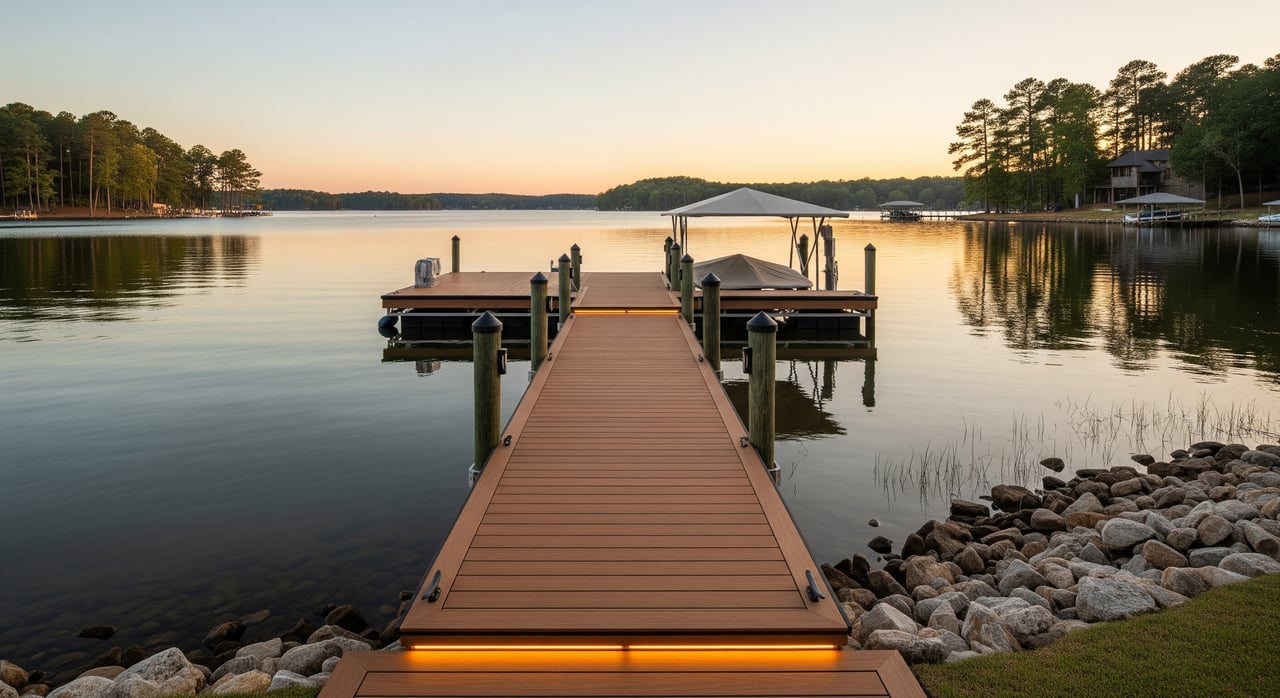
Dreaming of a Smith Lake home with a private dock? Before you picture sunset swims and easy boat days, you need to know how dock permits work on Lewis Smith Lake. A little planning now can save you time, money, and headaches after closing. In this guide, you’ll learn who regulates docks, what permits you may need, how long approvals can take, and what to check during due diligence. Let’s dive in.
Why permits matter on Smith Lake
Smith Lake is a reservoir managed by Alabama Power. Its Shoreline Management Program is the primary authority for docks and shoreline structures around the lake. If a structure sits within Alabama Power’s project shoreline or easement area, you typically need authorization from the Shoreline Management Program.
Other agencies can be involved too. Projects that affect navigable waters or wetlands may require federal authorization from the U.S. Army Corps of Engineers, with water-quality certification coordinated by the Alabama Department of Environmental Management. Local counties and municipalities may also require building and electrical permits.
The bottom line: contact Alabama Power’s Shoreline Management Program early in your purchase or inspection process. Doing so helps you confirm whether an existing dock is properly licensed and whether your plans for upgrades or a new dock are feasible.
Who approves your dock
Alabama Power Shoreline Management Program
Alabama Power sets design standards, allowable structure types, and location rules for docks on Smith Lake. You will typically provide proof of upland ownership, site drawings, and payment of application or license fees. Many licenses can transfer at sale, but transfers usually require paperwork and fees.
Federal and state agencies
The U.S. Army Corps of Engineers may require a permit for work that affects waters, wetlands, or involves dredging or filling. Routine projects sometimes fit under Nationwide Permits. Larger or more complex work can require an Individual Permit, which takes longer. Alabama Department of Environmental Management coordinates state water-quality certifications that often pair with federal permits.
County and local departments
Depending on where the property sits around the lake, county or municipal offices may require building, electrical, zoning, or floodplain approvals. Smith Lake touches Cullman, Walker, and Winston counties. Always confirm requirements with the county where your parcel lies.
Dock types and limits
You will see several common dock styles on Smith Lake:
- Floating docks with modular platforms that adjust to water level changes.
- Fixed-pier docks on driven piles for a more permanent structure.
- Covered slips or boathouses, often with boatlifts. Enclosed living space is not allowed under most shoreline programs.
- Simple mooring or swim platforms for low-profile use.
Design rules matter. Programs like Alabama Power’s often limit total footprint, number of slips per lot, width and length, and orientation to protect navigation. Materials such as pressure-treated wood, composite decking, aluminum framing, and approved floats are common. If you add power or lighting, plan for electrical permits and code-compliant work. Permanent sanitary facilities are not allowed on docks.
Environmental constraints can shape design and timing. Work that disturbs wetlands, aquatic vegetation, or habitat can trigger additional reviews and limits. Erosion control and seasonal timing restrictions may be required during construction.
Permitting steps and timelines
Every project is unique, but most follow this sequence:
- Preliminary inquiry: contact Alabama Power’s Shoreline Management Program to confirm jurisdiction and standards.
- Gather documents: deed, survey or site plan, photos, and proposed dock drawings.
- Apply to Alabama Power: submit forms, pay fees, and provide supporting materials.
- Check federal and state needs: if required, apply to the U.S. Army Corps of Engineers and coordinate with Alabama Department of Environmental Management for water-quality certification.
- Secure local permits: building, electrical, zoning, and any county-specific approvals.
- Build and inspect: construct under permit conditions with any required inspections.
- Wrap up: submit post-construction photos and final paperwork if requested.
Typical timelines vary by scope and agency:
- Alabama Power review: a few weeks to a few months depending on complexity and completeness.
- U.S. Army Corps Nationwide Permit: often 45 to 90 days. Individual Permits can take several months to a year.
- ADEM coordination: usually adds weeks and tracks with federal reviews.
- County and local permits: typically weeks to a couple of months.
Projects involving dredging, wetlands, public notice, or incomplete applications can extend timelines. Start early.
Buyer due diligence checklist
Use this checklist before you make an offer or during your inspection window:
- Request copies of existing dock permits and any Alabama Power license agreements.
- Ask for any federal or state permits and previous transfer documents.
- Get recent inspection or maintenance records for the dock.
- Confirm lot boundaries and whether the dock sits within Alabama Power’s project boundary or easement.
- Call Alabama Power’s Shoreline Management Program to verify current permit status and transfer steps.
- If there is no dock and you plan to build, seek preliminary guidance from Alabama Power and the county on feasibility, restrictions, and typical fees.
- Consult a local marine contractor for cost estimates, realistic timelines, and permitting support.
- Check the county building department for electrical, septic setbacks, and any roof or cover rules.
At offer and closing
Protect yourself with clear terms and documents:
- Add contingencies tied to dock permit transfer, dock condition, or structural inspections.
- Require the seller to provide complete permit and license records before closing.
- If issues surface, negotiate repairs, modifications, or escrow to address unpermitted structures.
After you buy
Plan improvements with permits in mind:
- Start permit applications early for any modifications.
- Keep all approval documents and inspection records for future resale.
- Confirm insurance coverage for the dock and maintain code-compliant electrical work.
Costs, transfers, and risks
Expect application and license fees with Alabama Power, plus possible annual license fees and proof of liability insurance. Federal or state permits can have processing fees, and counties charge building and inspection fees. If you are buying a property with a dock, ask whether the Alabama Power license can transfer, what paperwork is required, and if a transfer fee applies.
Older docks without permits can be nonconforming. In a sale or when planning upgrades, you may need retroactive permits, modifications to meet current standards, or removal. Insurers may ask for proof of lawful permits and safe construction, so keep your documentation organized.
Shared docks require extra review. Look for recorded easements, HOA rules, and any shared agreements that govern use and maintenance.
Environmental and safety basics
- Protect habitat and water quality by avoiding unnecessary dredging or vegetation clearing.
- Use proper erosion controls during construction and follow timing restrictions if required.
- Hire licensed electricians for dock power and lighting, and follow safety codes.
- Carry adequate liability insurance and confirm replacement or repair coverage for the dock.
Get local guidance
Buying on Smith Lake should feel exciting and clear. As full-time lake residents and boutique advisors, we share practical, local insight so you can buy with confidence and plan your dock the right way. Ready to explore properties and align your purchase timeline with permitting steps? Connect with iHeart Smith Lake to start your search.
FAQs
Do I always need Alabama Power approval for a dock on Smith Lake?
- If the structure sits within Alabama Power’s project shoreline or easement area, authorization from the Shoreline Management Program is typically required; contact them early to confirm for your parcel.
Who handles federal permits for dock work on Smith Lake?
- The U.S. Army Corps of Engineers issues federal authorizations, often under Nationwide Permits for routine projects or an Individual Permit for more complex impacts.
Can a dock license transfer when I buy a Smith Lake home?
- Many Alabama Power licenses are transferable, but you usually must submit transfer paperwork and pay a fee; request proof of a valid license at closing.
What if the existing dock is unpermitted or noncompliant?
- You may need to secure retroactive permits, modify the dock to meet current standards, or remove it; review carefully during due diligence to avoid delays and extra costs.
How long does the overall permitting process take?
- Alabama Power reviews can take weeks to months; if federal and state permits are needed, expect additional weeks to several months, so start early and plan your timeline.