Ready to sell your Smith Lake home but unsure when to hit the market? Timing matters more here than in most places because buyer demand follows the lake season. If you want strong exposure and smoother negotiations, you’ll want to plan around spring and summer while leaving room for prep. In this guide, you’ll learn the best listing windows, what to expect by season, and a simple 3–6 month prep plan tailored to Lewis Smith Lake. Let’s dive in.
How Smith Lake seasonality works
Smith Lake is a recreation-first market. Buyer activity rises with boating, swimming, and fishing season. Peak interest generally runs from Memorial Day through Labor Day. Many buyers tour on weekends, especially from Birmingham, Huntsville, and other nearby areas.
Because buyers want to enjoy the lake during summer, they often search and make decisions in spring. That gives them time to close before peak use. A secondary wave shows up in late summer and early fall, when serious buyers return for quieter tours and better negotiation opportunities.
The best listing windows
Your ideal timing depends on your goals, your home’s readiness, and your flexibility for showings. Here’s what each season offers.
Early spring (mid-March to mid-April)
Listing in early spring catches buyers who want the house ready by Memorial Day. You benefit from motivated shoppers, and showings can move quickly toward closing. With trees not fully leafed out, lot lines and shoreline views can be clearer for buyers comparing properties.
The tradeoff is curb appeal. Landscaping may still be waking up, so plan simple staging and fresh exterior touch-ups to keep photos bright and welcoming.
Late spring to early summer (late April to July)
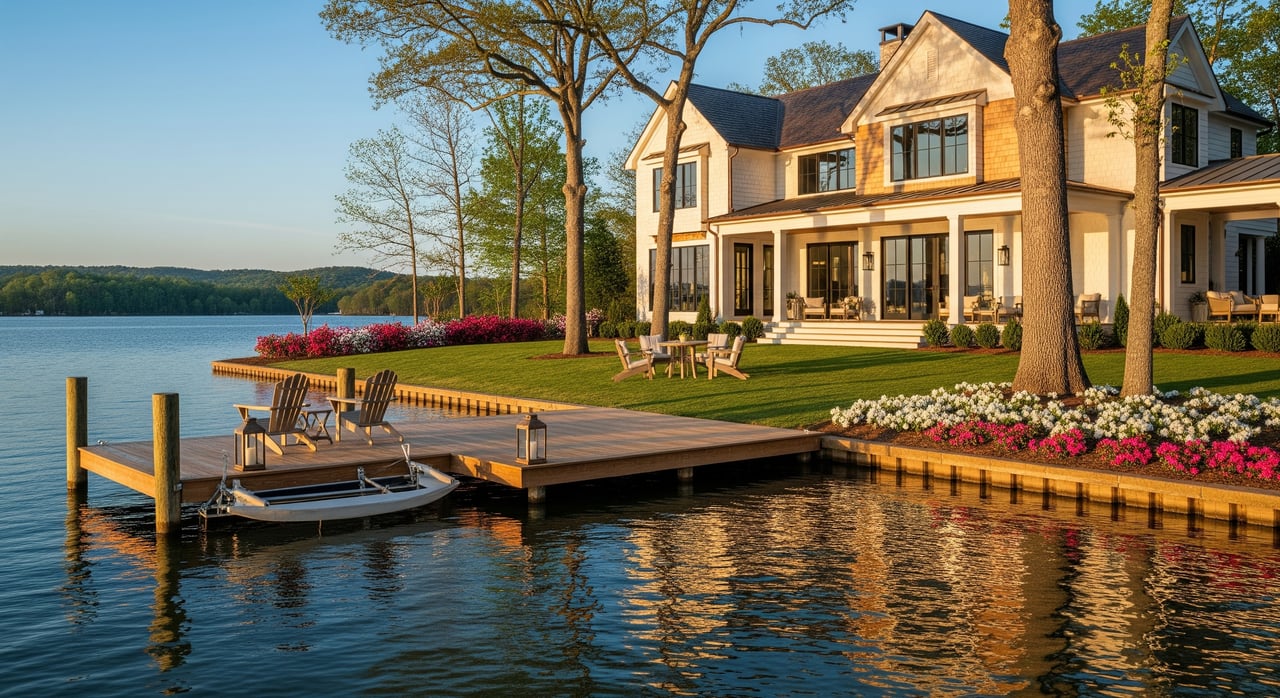
This window brings the most foot traffic and on-lake energy. Buyers can see your dock, water access, and outdoor living areas in full use. Photos look great with green lawns, blooming trees, and active lake scenes.
Competition can be higher during this stretch. You may juggle showing schedules around vacations and holiday weekends, but well-prepped homes still stand out and can sell quickly if inventory is tight.
Late summer to early fall (August to October)
As summer winds down, the market often shifts to more focused buyers, including relocators and retirees. Weather is comfortable, foliage can be attractive, and there is typically less competition.
If you needed extra time to prepare, this is a strong alternative to spring. Keep in mind that the main rental season has passed, so you are marketing lifestyle and long-term value more than immediate summer income.
Late fall and winter (November to February)
Showings slow and photos can be less vibrant, but the buyers who are active tend to be motivated. Investors and value-focused buyers may be especially engaged during this period.
If speed and less competition are your priorities, this season can work. Expect longer average days on market and fewer weekend tours, especially for water-focused properties.
Choose the right window for you
- If you want to capture summer rental income or have buyers in place by early season, target mid-March to mid-April.
- If you want maximum showability and foot traffic, late April to July is ideal.
- If you need more prep time or prefer a calmer market, aim for August to October.
- If you prioritize speed and negotiation leverage over peak exposure, consider November to February.
Your 3–6 month prep plan
A little planning now can save you time later. Use this simple timeline and adjust your start date based on your target listing window.
3–6 months out
- Schedule a pre-listing inspection and address safety or structural items.
- Order septic inspection and well testing if applicable. Start any needed repairs.
- Begin dock, boat lift, or seawall evaluations. If permits or repairs are required, start early.
- Gather documents: dock permits or leases, flood elevation certificates, tax records, HOA rules, rental history, and utility bills.
- Declutter living areas and storage. Plan landscaping updates and tree trimming.
6–12 weeks out
- Refresh curb appeal: power-wash decking and exterior, complete paint touch-ups, mulch and plantings.
- Stage interiors to feel light and neutral. Plan outdoor seating and lighting for lakeside spaces.
- Finalize dock and lift repairs and confirm contractor timelines.
- Request current flood insurance information, if relevant.
2–4 weeks out
- Book professional photography, including aerial and twilight shots when possible.
- Assemble a buyer packet with permits, inspections, recent utility averages, surveys, and rental history.
- Set pricing with your agent using current comps and seasonal demand.
- Map your showing plan for weekends and any holiday traffic.
Final week and listing day
- Deep clean and set comfortable temperatures for showings.
- Secure or remove personal items and keys to boats or storage.
- Install sign, lockbox, and launch the listing with full photo and video access for out-of-town buyers.
- Time marketing boosts around weekends or local events to catch higher visitor counts.
Local factors that impact timing
- Dock and water access: Buyers prioritize safe, functional docks and lifts. Confirm ownership and permits and address repairs before photos if possible.
- Septic, wells, and utilities: Pre-listing inspections and clear documentation give buyers confidence and can speed closing.
- Flood zones and insurance: Waterfront parcels may require flood insurance, which affects financing and budgets. Provide any available flood maps or policy information.
- Short-term rentals: If allowed by local rules or HOAs, rental history and peak-season rates can add value. Have records ready for buyers evaluating income potential.
- Events and weekends: Holiday weekends and fishing tournaments bring more visitors. Coordinate open houses and showings to align with high-traffic periods or avoid conflicts.
- Access and commute: Many buyers tour on short weekend trips from nearby metros. Offer flexible weekend showings and fast virtual tours for those traveling in.
Marketing that moves lake buyers
- Prioritize visuals: aerials to show lot-to-water orientation, twilight images for shoreline ambiance, and crisp daytime shots of docks and outdoor spaces.
- Share what matters: dock permits, inspection reports, flood info, utility averages, and a list of included lake gear help buyers act decisively.
- Stage for lifestyle: neutral interiors, tidy storage for recreation gear, and inviting decks or porches let buyers picture their time on the water.
- Price for features: a legal dock, boat lift, deep-water access, and private shoreline are premium features. If permits are pending or access is shared, disclose early to protect your timeline.
Closing timelines and inspections
Cash closings can happen in as little as 1–3 weeks. Financed deals often run 30–60 days depending on appraisal and lender schedules. Lake property appraisals may be more complex because of water access, depth, and view adjustments. Plan for thorough inspections that include dock, shoreline, moisture, and pest considerations.
Plan your next steps
If you want summer-ready results, start your prep now and aim your listing to land before buyer traffic peaks. If you need more time, target a late summer debut and lean into serious fall buyers. The key is a clear timeline, great visuals, and complete documentation so your property stands out.
When you are ready, connect with the full-time locals who live on Smith Lake and market it every day. Reach out to iHeart Smith Lake for a custom timing plan and a step-by-step prep checklist for your home.
FAQs
When is peak buyer activity on Smith Lake?
- Peak activity typically aligns with lake season from Memorial Day through Labor Day, with many buyers touring on weekends and holiday periods.
Is winter a bad time to list a Smith Lake home?
- Not necessarily. Showings are slower, but active buyers can be motivated, and less competition may help you negotiate favorable terms.
How far in advance should I prepare before listing?
- Start 3–6 months ahead to handle inspections, dock or septic items, staging, and permits, then finalize photos and pricing 2–4 weeks before launch.
Do I need dock permits in place before I list?
- It helps. Buyers often ask for dock ownership or permit documentation early, and clarity can prevent delays once you are under contract.
How long does it take to close on a lake home?
- Cash buyers can close in 1–3 weeks, while financed purchases commonly take 30–60 days depending on appraisal and lender timelines.