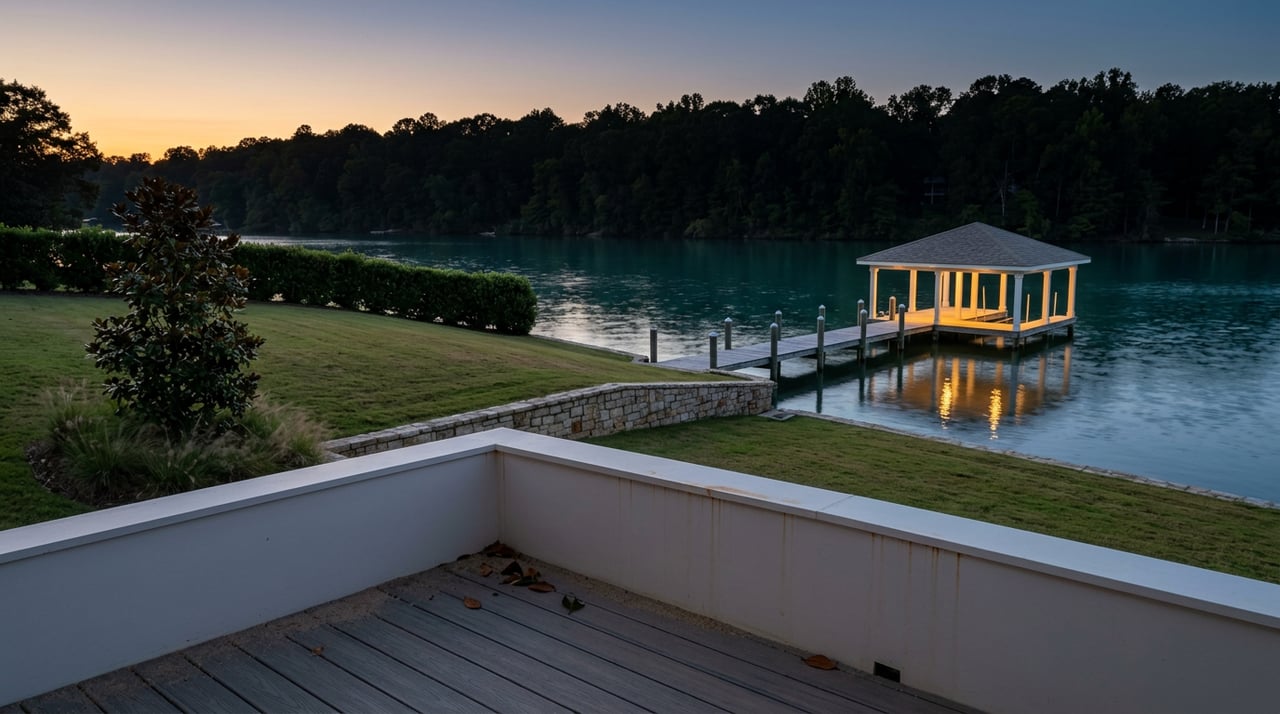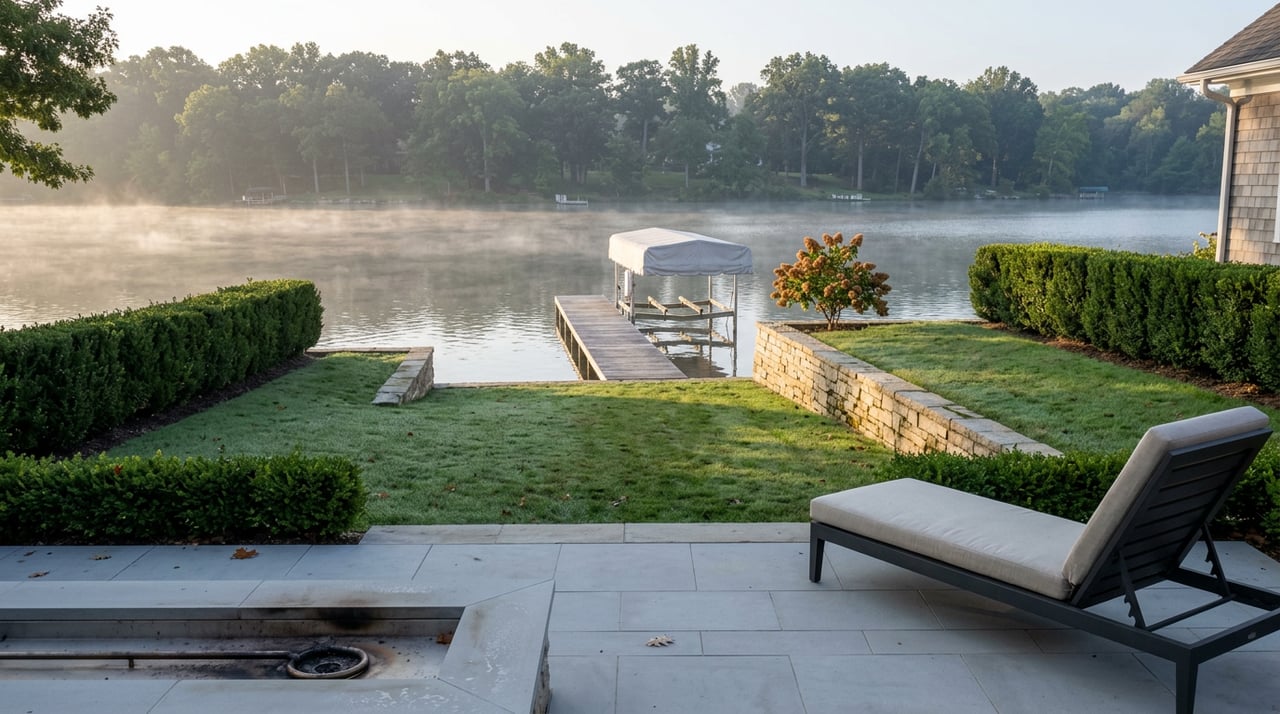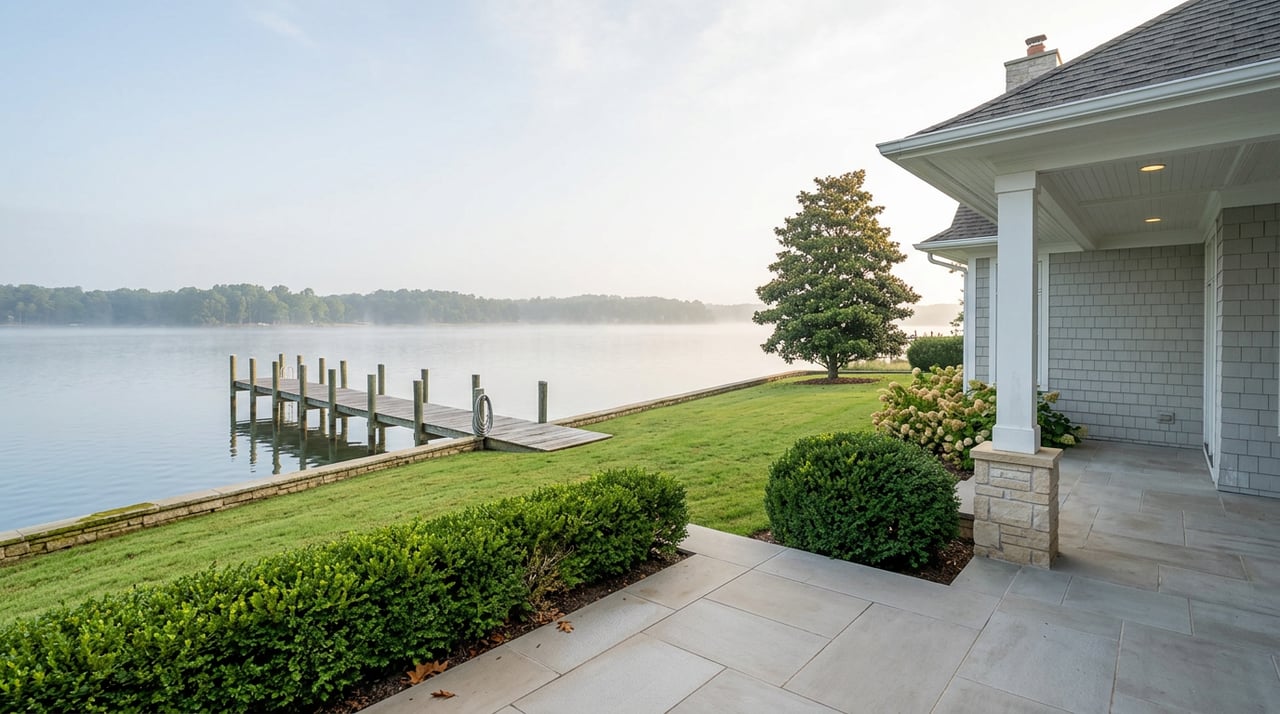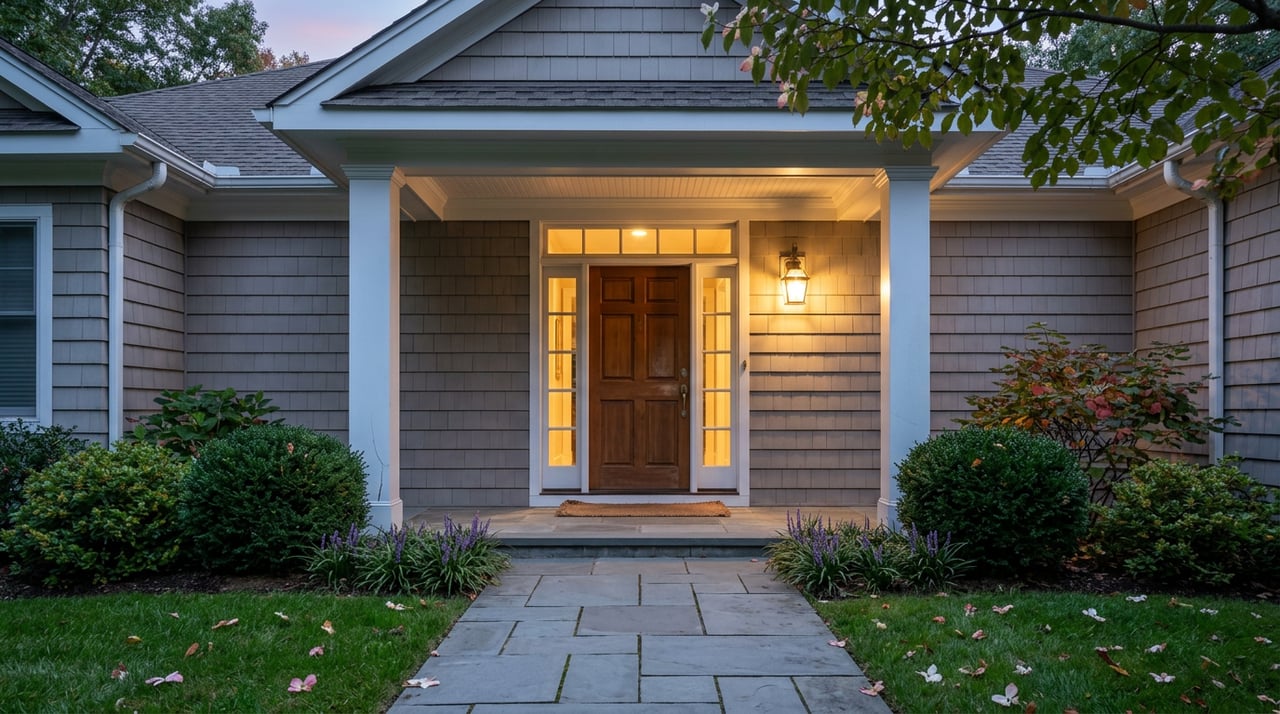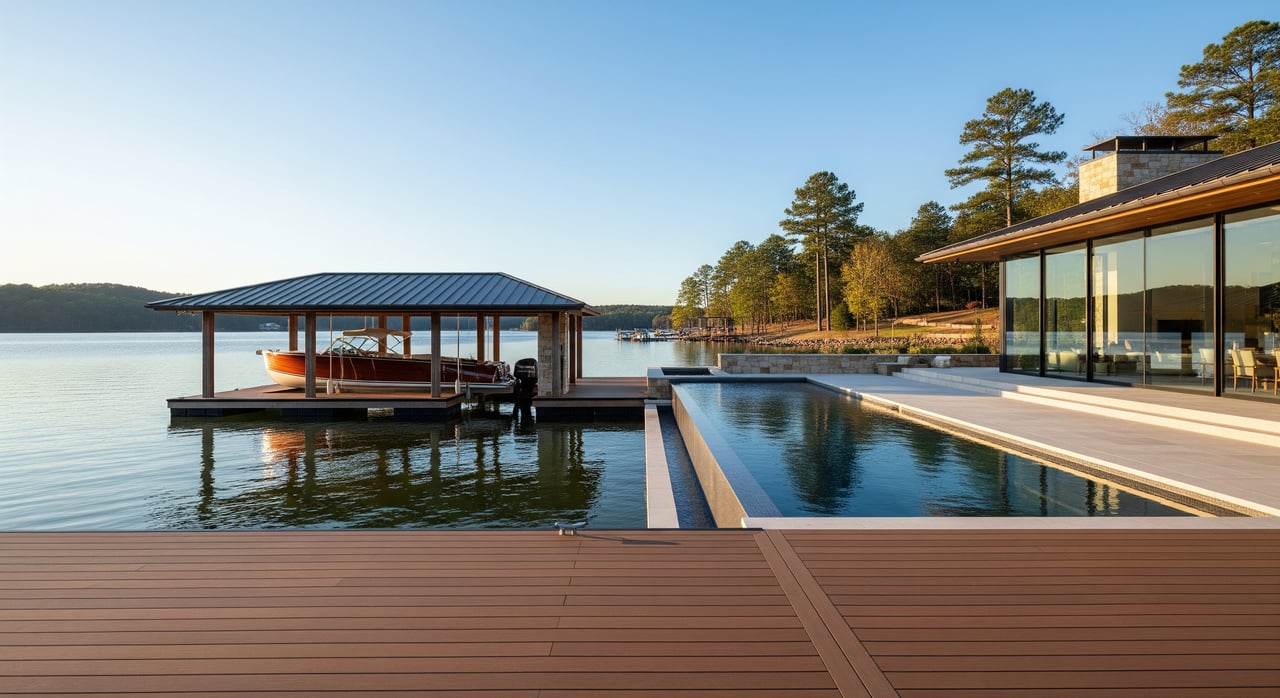
Ever wonder what life feels like when the lake is your backyard in January, not just July? If you love quiet mornings, friendly small-town rhythms, and easy access to the water, year-round living on Smith Lake can be a great fit. You also want to know the practical side, from internet and utilities to commute options and winter routines. This guide walks you through daily life, seasons, costs, and smart shopping tips so you can decide with confidence. Let’s dive in.
Where Smith Lake Fits in Your Life
Smith Lake, formally Lewis Smith Lake, sits in north-central Alabama and spans several counties and communities. It is known for clear water, long shoreline, and a mix of full-time and seasonal residents. There is no single downtown for the lake. You will use nearby towns for most services and shopping.
Many parts of the lake are roughly an hour to a bit more from Birmingham, with similar distances to other regional hubs depending on your exact cove. That makes occasional commuting possible for some buyers. Your exact drive time will depend on where you live on the shoreline.
Daily Life Basics
You will find a mix of home types: older cottages, custom waterfront builds, and modest year-round houses in subdivisions. Some neighborhoods have HOAs. Many lakefront lots are individually developed with no HOA.
Expect rural services in many areas. It is common to see private wells and septic systems. Before you buy, confirm what serves the home, the age of systems, and service records.
Quick due diligence checklist
- Confirm well and septic details, capacity, and maintenance history.
- Ask about dock permits, shoreline work, and local rules.
- Verify trash pickup options and mail delivery for the address.
- Check cell coverage at the property with your carrier.
Utilities and Internet
Electricity is widely available, but outages can be more common during severe storms. Many properties use private wells and septic, so you will want to plan for routine servicing and pump-outs.
Internet and cell service vary by cove. Some towns near the lake have cable or fiber. Remote areas may rely on DSL, fixed wireless, satellite, or Starlink. To gauge options, review the FCC Broadband Map and then spot test at the property. Strong internet is the single biggest factor for remote workers, so make it a top check.
Groceries, Dining, and Everyday Errands
Most of your errands will be in nearby towns that offer grocery stores, pharmacies, hardware, and medical clinics. On the water, you will find small convenience shops, marinas, and a handful of seasonal lakeside restaurants. The dining scene is casual and family friendly. If you want specialty dining or nightlife, you will likely drive to larger towns or into the city.
Healthcare and Schools
Primary care and urgent care are available in nearby towns, while hospitals are in larger cities. To learn more about statewide resources and local contacts, use the Alabama Department of Public Health. If you have ongoing health needs, consider drive times from the specific property and ask your agent for local options.
Public schools depend on the county where the home sits. Bus routes from some lake neighborhoods can be longer. You can review objective information and location details on GreatSchools. Private and parochial options exist in some nearby communities.
Commuting and Transportation
Public transportation is very limited, so you will rely on a car. Commute times vary by shoreline location and road conditions. In winter, ice is rare and short-lived, but rural roads can still be slick. If you plan to commute to a regional job center, map your route on Google Maps, then test it during your likely drive times.
Seasons and Community Life
Spring through early fall is peak season. The lake is busy with boating, fishing, swimming, and events. Marinas extend hours and social life moves to the water. Fall is quieter and scenic, with great fishing and mild weather. Winter slows down. Many second-home owners visit less, and year-round residents enjoy a calmer pace, local church events, volunteer groups, and small-town gatherings.
You will find community in local festivals, volunteer fire departments, civic clubs, and neighborhood potlucks. Fishing tournaments and county fairs add to the calendar. Most events are based in nearby towns rather than directly on the lake.
Costs, Rules, and Safety
Alabama property taxes are generally lower than national averages, but your tax bill depends on county assessments and how the property is classified. Insurance for waterfront homes can include wind and hail coverage, plus riders for unique features. If the property sits in a FEMA floodplain, you may also need flood insurance. Check your location early using the FEMA Flood Map Service Center and get quotes.
Waterfront homes need more upkeep. Budget for dock inspections and maintenance, shoreline stabilization, septic servicing, and vegetation control. Severe thunderstorms and tornadoes can occur in Alabama, so plan for weather safety with a shelter plan or a basement if possible.
Boating rules matter for daily life on the water. Review licensing and safety basics with Outdoor Alabama. No-wake zones and marina guidelines help keep everyone safe.
Budget snapshot to consider
- Home insurance and any needed riders
- Dock and shoreline maintenance
- Septic servicing and pump-outs
- Internet and cell solutions that fit your cove
- Fuel and commute costs for off-lake jobs
Who Year-Round Living Fits
You will thrive here if you value the outdoors, quiet winters, and a friendly community rhythm. Year-round living also fits buyers who can accept rural tradeoffs like variable internet or longer drives for specialty services. If you need daily big-city amenities, you can still enjoy Smith Lake, but you may prefer it as a weekend or seasonal home.
How to Shop Smart on Smith Lake
Buying a lake home is not the same as buying in a subdivision. A few targeted steps can save you time and stress.
Property and location checks
- Confirm dock type, water depth at normal pool, and any permit records.
- Verify utilities, especially well, septic, and internet options.
- Ask about HOA rules if in a subdivision, including rental policies.
- Map drive times to your priorities, like healthcare, schools, or work.
Safety and compliance
- Check flood status with the FEMA map, then seek insurance quotes.
- Review local permitting requirements for shoreline work and docks.
- Learn basic boating laws and seasonal safety tips through Outdoor Alabama.
Lifestyle fit
- Visit on a summer weekend and a winter weekday to feel the seasonal contrast.
- Talk with neighbors about noise, boat traffic, and year-round activity levels.
- Consider slip needs, trailer storage, and marina services near your cove.
Ready to explore full-time lake life with local guidance? Reach out to the team that lives it daily. You can start your search and connect with us at iHeart Smith Lake.
FAQs
Is year-round living on Smith Lake practical for commuters?
- It can be, depending on your cove. Many areas are about an hour or a bit more from regional job centers, so test your route during drive times before you buy.
How reliable are utilities and internet around Smith Lake?
- Electricity is available, with higher outage risk during storms. Many homes use well and septic. Internet varies by location, so review the FCC Broadband Map and test on-site.
What healthcare access will I have if I live full time on Smith Lake?
- Primary and urgent care are in nearby towns, while hospitals are a drive away. The Alabama Department of Public Health lists statewide resources and contacts.
What should I know about flood zones and insurance for Smith Lake homes?
- Waterfront insurance can include wind and hail coverage and, if in a mapped flood area, flood insurance. Check your address on the FEMA Flood Map Service Center and get quotes early.
Where can I learn boating rules and safety for Smith Lake?
- Review licensing and safety guidance through Outdoor Alabama, and follow posted no-wake zones and marina rules to keep everyone safe.